When the grid goes down, keeping food from spoiling is usually the first priority. Many homeowners immediately plug their kitchen refrigerator into a portable power station, only to hear a sharp beep, see a flashing error code, and watch the AC outlets shut down seconds later.
Understanding whether a power station can run a refrigerator comes down to two distinct electrical metrics: continuous running wattage and compressor surge current. We put a standard 320L household fridge-freezer on the test bench with a 1024Wh LiFePO4 portable power station to measure real-world draw, runtime, and what to do when your inverter throws a fault code.
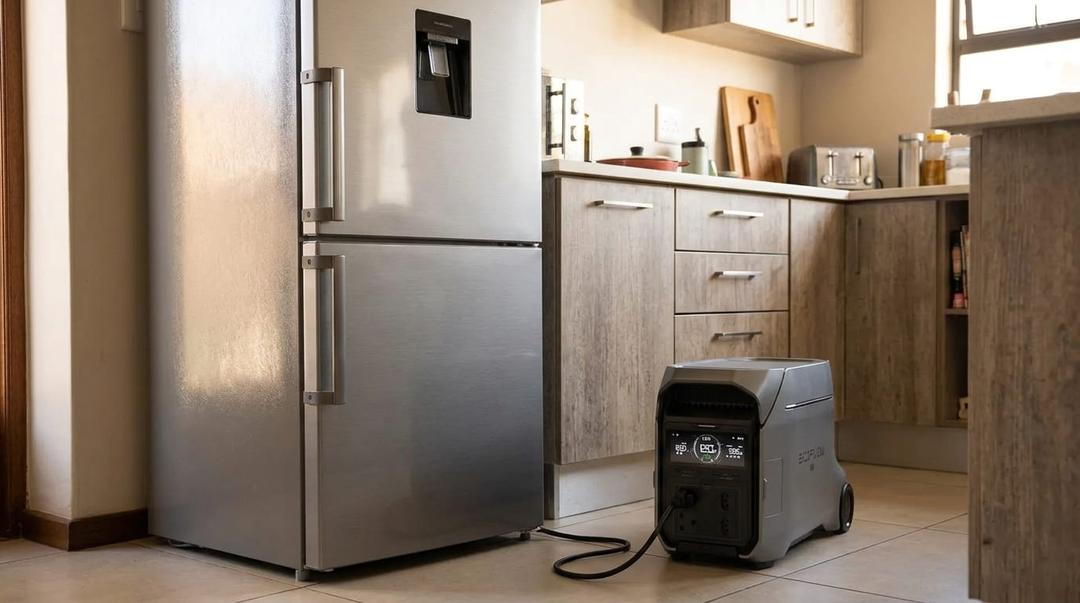
Figure 1: Real-world bench test: Measuring compressor startup surge vs. steady-state running wattage.
The Real-World Test: Surge Current vs. Running Watts
A refrigerator does not draw power continuously like a light bulb or a television. Instead, its compressor cycles on and off throughout the day to maintain internal temperatures—typically running for 20 to 30 minutes per hour depending on ambient room temperature and how often the door opens.
During our 12-hour test on a standard 320L top-freezer refrigerator (non-inverter compressor):
- Idle State (Compressor Off): The fridge drew 4W to 8W to power internal LED lighting and the control board.
- Startup Spike (Locked-Rotor Amps): The exact millisecond the compressor kicked in, our inline power analyzer recorded a 1,180W surge lasting roughly 400 milliseconds.
- Steady-State Cooling: Once the motor reached operating speed, consumption settled at 135W.
- Defrost Cycle: Roughly eight hours into the test, the automatic defrost heater engaged, pulling a steady 380W for 22 minutes.
Because a standard induction compressor relies on high initial torque to overcome refrigerant pressure, its surge current is routinely 5 to 8 times higher than its rated running wattage. If your portable power station has a 600W continuous inverter with a 1,000W peak rating, that 1,180W spike will instantly trip the overload protection—even though the fridge only needs 135W to run.
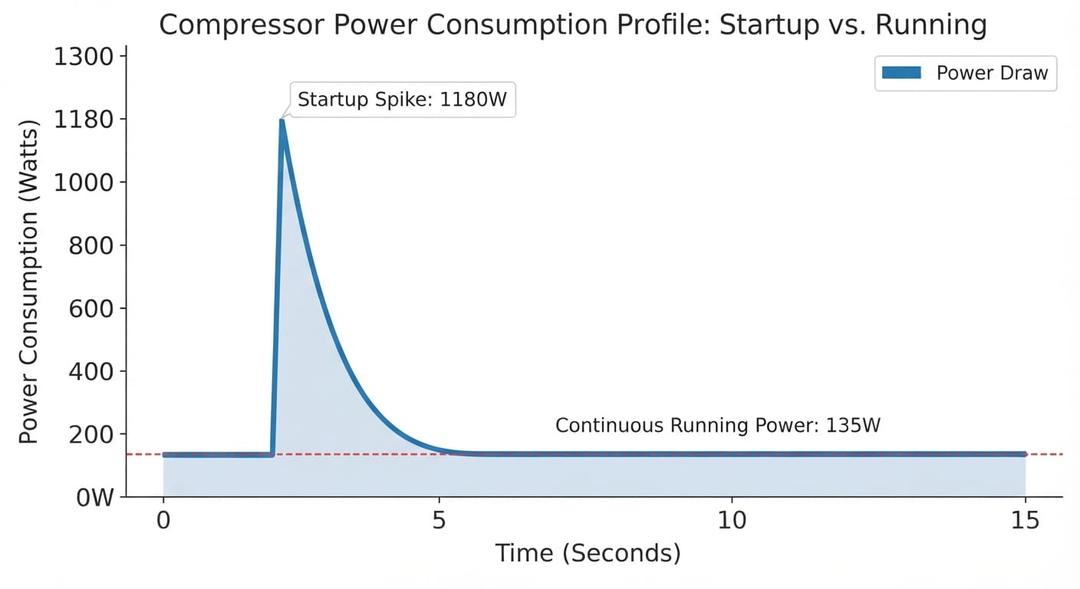
Figure 2: Startup surge current only lasts a fraction of a second, but your inverter must be rated to handle the peak.
Sizing Your Lithium-ion Battery and Inverter
To run a refrigerator reliably without nuisance trips or premature battery cutoff, both your inverter output rating and your lithium-ion battery (ideally LiFePO4) capacity must match the appliance's profile.
Use the reference benchmarks below to match your refrigerator type to the right portable power station specifications:
| Appliance Type | Running Watts | Surge Watts | Recommended Capacity | Estimated Runtime |
|---|---|---|---|---|
| Mini Bar Fridge (90L - 120L) | 50W - 80W | 300W - 600W | 500Wh - 1000Wh | 8 - 14 Hours |
| Standard Top/Bottom Freezer Fridge (250L - 350L) | 100W - 180W | 800W - 1400W | 1000Wh - 2000Wh | 10 - 18 Hours |
| Double-Door / Side-by-Side Fridge (500L+) | 150W - 250W | 1200W - 2200W | 2000Wh+ | 10 - 16 Hours |
| Modern Inverter-Compressor Fridge | 60W - 130W | 200W - 450W | 1000Wh+ | 14 - 24 Hours |
Pure Sine Wave vs. Modified Sine Wave
Never run a modern refrigerator on a modified sine wave inverter. Induction motors and electronic control boards require a clean pure sine wave output. Modified sine wave power causes compressor windings to overheat, creates audible buzzing, and can permanently damage the fridge's main PCB or start relay.
Diagnosing Fault Codes: Basic Reset vs. Technical Assessment
When a portable power station shuts down while powering a fridge, the display will usually flash an overload, voltage, or short-circuit warning. Before assuming your power station is broken—or calling for a repair—use this diagnostic guide to determine whether a simple reset will solve the issue or if the unit needs a professional bench assessment.
| Symptom Or Code | Root Cause | Diy Action | Needs Assessment |
|---|---|---|---|
| Overload Warning (E01 / OLP / Red Wrench) | Compressor startup surge current exceeded the inverter's peak rating. | Unplug all other loads, reset the AC output button, and test the fridge alone. | No — unless the fault triggers immediately with zero load connected. |
| Low Voltage / BMS Cutoff (E02 / UVP) | Lithium-ion battery depleted or high current draw caused voltage sag. | Recharge the power station to at least 50% and verify ambient temperature. | Yes — if voltage drops from 80%+ to 0% within minutes (cell imbalance). |
| Short Circuit Protection (E03 / SCP) | Damaged fridge power cord, failed start relay, or internal inverter MOSFET short. | Inspect the fridge plug and cord for burns; test the power station with a small lamp. | Yes — if the power station trips on a known-good lamp, the inverter stage requires component repair. |
| Over-Temperature Fault (E04 / OTP) | Blocked cooling vents or continuous high-wattage draw in a hot room. | Move the unit to a shaded, ventilated area and wait 30 minutes before restarting. | Yes — if cooling fans do not spin during heavy load. |

Figure 3: An overload warning during fridge startup usually points to an undersized inverter rather than a hardware defect.
Step-by-Step Reset Procedure
If your unit trips right as the fridge compressor tries to start, follow this sequence before attempting another startup:
- Disconnect the Fridge: Unplug the refrigerator from the AC outlet on the power station.
- Wait 5 Minutes (Crucial): Never plug a fridge back in immediately after a power cut. Refrigerant pressure in the system needs 3 to 5 minutes to equalize. Restarting against high head pressure forces the compressor to draw maximum locked-rotor amps, guaranteeing another overload trip.
- Clear the Inverter Fault: Turn off the AC output button on the power station, hold the main power button for 5 to 10 seconds to soft-reset the Battery Management System (BMS), and turn the AC inverter back on.
- Verify With a Resistive Load: Plug in a simple 60W lamp or phone charger. If the power station runs normally without errors, your inverter hardware is healthy—the fridge's startup surge is simply too high for that specific model.
When to Book a Component-Level Assessment
If your portable power station triggers a Short Circuit (SCP) or Overload fault immediately when pressing the AC button with nothing plugged in, stop resetting the unit. Repeatedly forcing a restart when an internal MOSFET or DC-to-AC driver stage has shorted can burn out the main control board tracks and turn a repairable inverter stage into a total board replacement. Similarly, if the lithium-ion battery percentage plummets from 80% to 0% under a light 100W load, the pack likely has an imbalanced cell group or a failing BMS sense wire that requires bench diagnostics.
Experiencing a similar issue? Contact us for a no-obligation . We're here to help.
If you know what parts to look for, please visit to search for what you need.
for free estimate or quote.