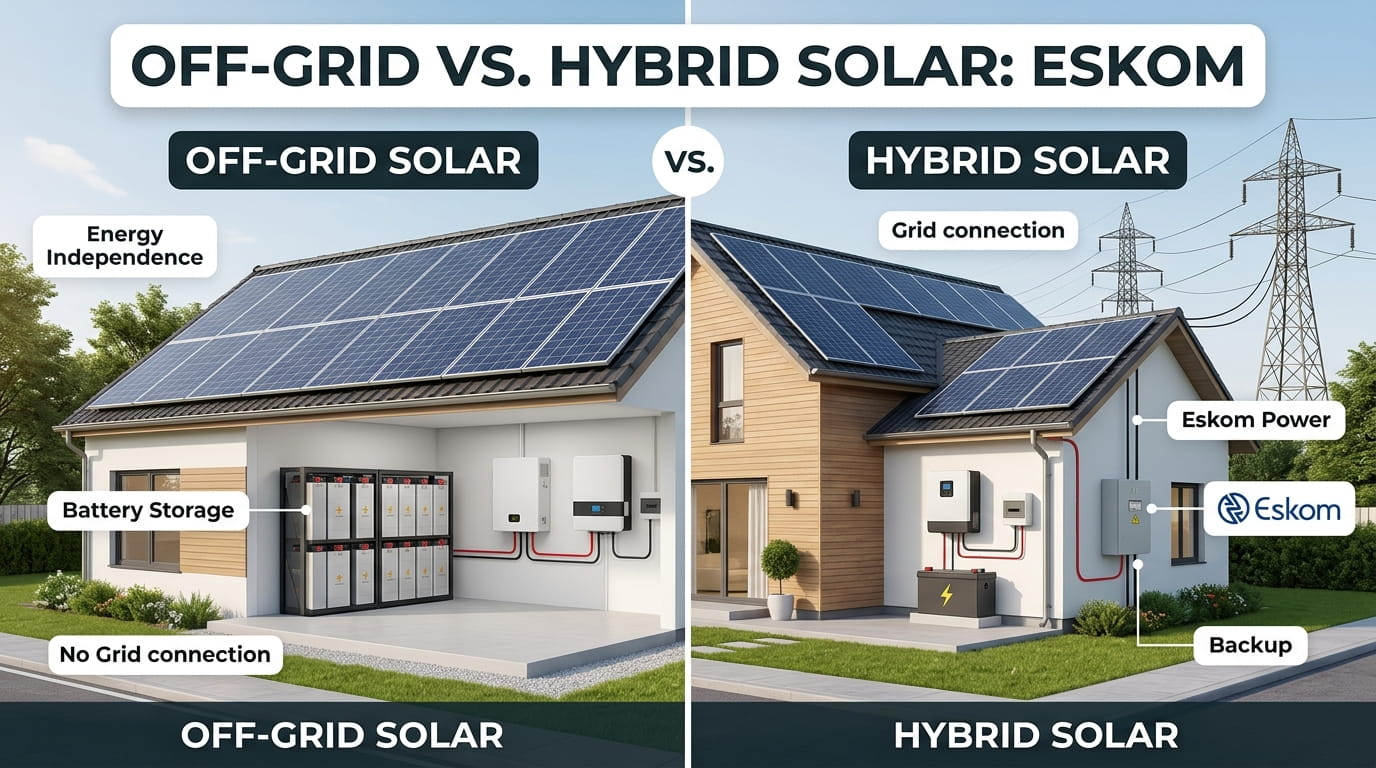
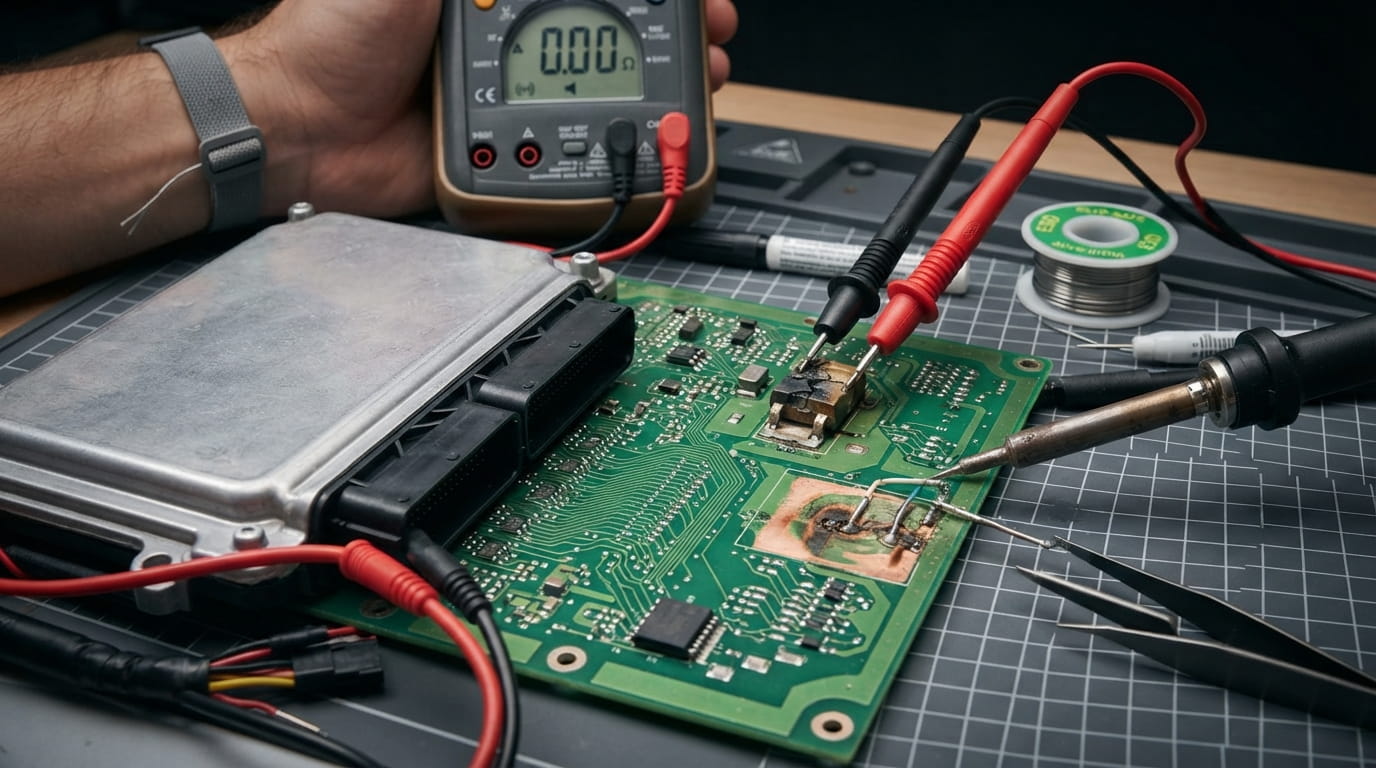
The True Cost of "DIY" Solar: Unregistered Systems, Fines, and Insurance Risks
Faced with rising electricity tariffs, many South African property owners are tempted by lower upfront costs: assembling a "Do-It-Yourself" (DIY) solar installation or hiring an unqualified installer to mount panels, wire batteries, and bypass municipal paperwork.
While cutting corners on installation fees may seem like an easy way to save money, unapproved and non-compliant solar installations carry catastrophic hidden costs. From utility fines and immediate grid disconnections to repudiated insurance claims and deadly fire hazards, the financial risks of an illegal solar system far outweigh any initial savings.
1. Utility Penalties: Eskom Fines and Forced Disconnections
Under South African electrical regulations and Eskom’s distribution conditions, operating an unapproved grid-tied or hybrid system is an illegal interconnection.
+------------------------------------------------------------------------+
|                   UNREGISTERED SSEG SYSTEM DETECTION                   |
+------------------------------------------------------------------------+
|
v
+------------------------------------------------------------------------+
| • Reverse energy flow detected on distribution transformer             |
| • Smart meter reverse tampering flag triggered                         |
| • Field inspector audit during routine network maintenance             |
+------------------------------------------------------------------------+
|
v
+------------------------------------------------------------------------+
|                         ESKOM / UTILITY ACTION                         |
|  1. Formal Notice of Non-Compliance Issued                             |
|  2. Immediate Physical Disconnection of Utility Supply                 |
|  3. Retroactive Unauthorized Generation Fines Imposed                  |
|  4. Mandatory Reconnection & Compliance Fees Charged                   |
+------------------------------------------------------------------------+
How Unapproved Systems Are Detected
Eskom and municipal supply authorities (such as City Power or City of Cape Town) actively monitor local network feeders. Unregistered systems are frequently flagged through:
- Smart Meter Tamper Alerts: Modern digital pre-paid and credit meters register reverse energy flow or abnormal voltage fluctuations as tamper events, automatically triggering an inspector audit.
- Transformer Balancing Audits: Substation telemetry tracks excess back-fed voltage on localized low-voltage lines during daylight hours.
- Routine Neighborhood Inspections: Physical surveys routinely identify unregistered solar arrays mounted on rooftops.
The following table highlights the risk factors associated with unregistered solar installations:
| riskCategory | compliantSystem | diyUnregisteredSystem |
|---|---|---|
| Eskom / Municipal Penalties | Full regulatory clearance & peace of mind | Immediate grid disconnection, retroactive supply penalties, and reconnection fines. |
| Homeowners Building Insurance | 100% valid coverage with registered CoC on file | Complete repudiation of fire and electrical damage claims due to non-compliant installation. |
| Electrical & Fire Safety | Installed according to SANS 10142-1 with proper DC isolation & SPDs | High risk of DC arc faults, thermal runaway, inverter failure, and household fires. |
| Appliance Protection | Stable voltage regulation, proper earthing, and surge mitigation | Risk of neutral float, high-voltage spikes, and fried electronics. |
| Property Resale Value | Appraises higher; smooth transfer with mandatory CoC sign-off | Fails property transfer inspection; costly retrofits required before sale. |
Financial Penalties
When an unregistered grid-tied inverter is discovered, utility operators have full legal authority to physically cut off power supply to the property. Restoring connection requires paying unauthorized generation fines, covering disconnection and reconnection fees, and performing a complete, certified rebuild of the solar setup.
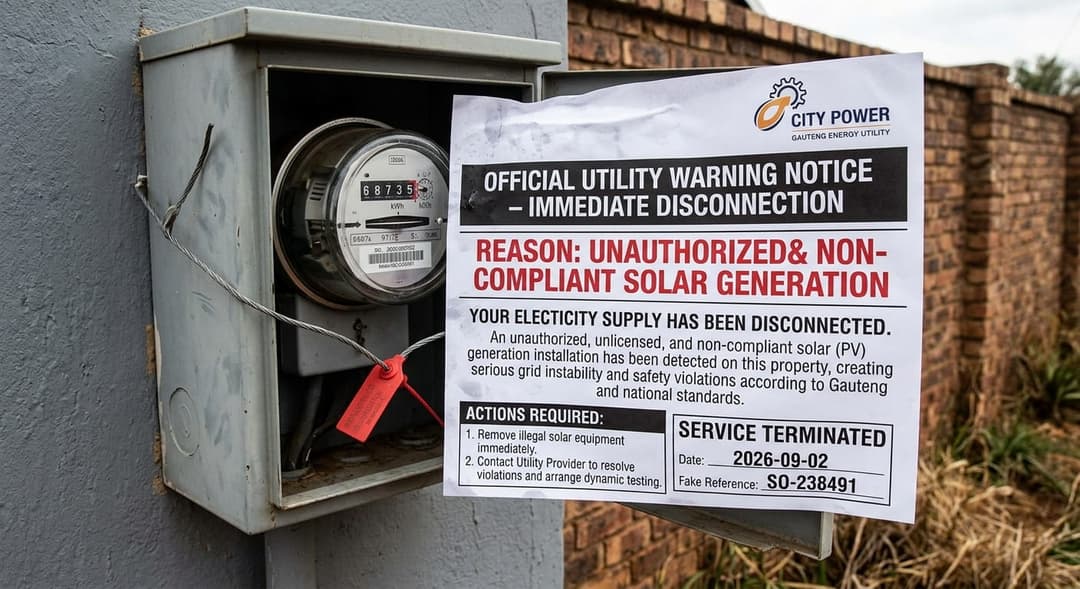
Figure 1: Non-compliant and unregistered SSEG systems risk immediate utility disconnection and hefty administrative fines.
The compliance costs associated with solar system installations are summarized as follows:
| evaluationFactor | certifiedInstallation | diyUnregisteredRisk |
|---|---|---|
| Initial Professional Sign-Off / CoC | R 2,500 - R 5,000 | R 0 (Upfront short-term saving) |
| Unregistered SSEG Penalty / Fine | R 0 | R 6,000 - R 15,000+ plus disconnection fees |
| Repudiated Insurance Claim (Fire / Surge) | R 0 (Fully Covered) | R 100,000 - R 2,000,000+ (Total Out-of-Pocket Loss) |
| Property Transfer Delay Costs | R 0 | R 15,000 - R 40,000 in emergency compliance rebuilds |
2. Insurance Repudiation: The Hidden Financial Nightmare
One of the greatest dangers of DIY or non-compliant solar installations is the total invalidation of property insurance policies.
[ Electrical Short / Arc Fault Occurs ]
                   │
                   ▼
   [ Household Fire or Surge Damage ]
                   │
                   ▼

[ Insurance Assessor Inspects Property ]
│
┌─────────────┴─────────────┐
▼                           ▼
[ Valid CoC Available ]   [ No CoC / DIY System ]
│                           │
▼                           ▼
CLAIM APPROVED            CLAIM REPUDIATED
(Fully Indemnified)       (Zero Payout - Total Loss)
Why Insurance Companies Reject Claims
Under standard South African property insurance policy contracts, policyholders are legally obligated to comply with all national building codes and electrical safety statutory regulations.
- Absence of a Valid CoC: If a fire, lightning surge, or electrical failure damages your property, the insurance assessor's first request is a valid Electrical Certificate of Compliance (CoC) covering the solar installation under SANS 10142-1.
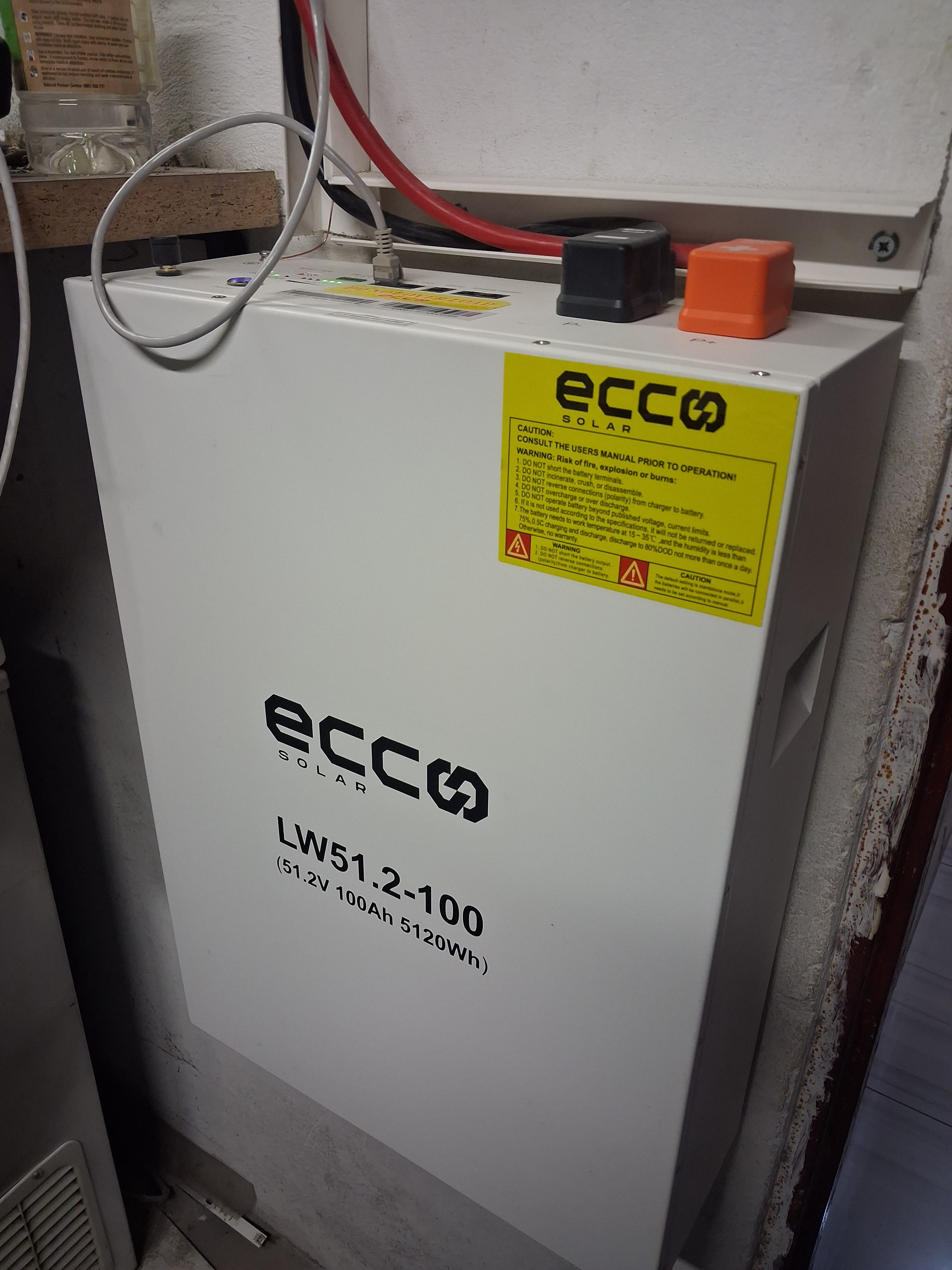
- Unapproved Equipment: If the installed inverter lacks NRS 097-2-1 grid approval, or if battery storage lacks mandatory thermal fuses and circuit breakers, the insurer can repudiate the claim entirely due to illegal or reckless installation practices.
Real-World Impact: If an unapproved DIY battery short-circuits and burns down a R2,000,000 home, the homeowner remains 100% personally liable for all damages, building repair costs, and remaining mortgage debt.
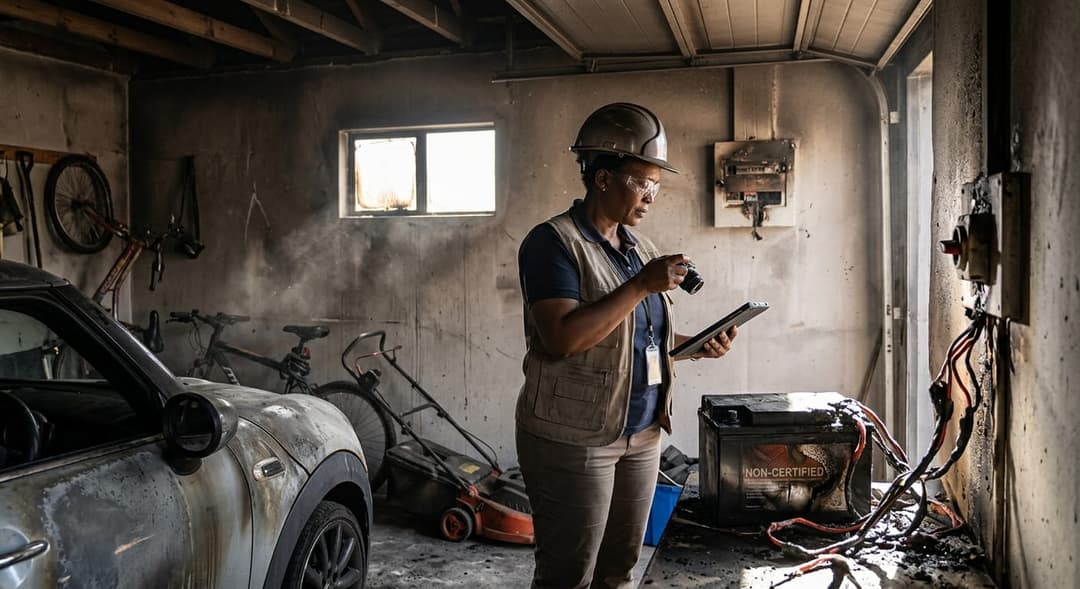
Figure 2: Insurance assessors routine repudiate fire and electrical claims resulting from uncertified DIY solar hardware or missing CoC documentation.
3. Technical Hazards: Fire Risks, Arc Faults, and Appliance Destruction
Solar PV installations generate high-voltage Direct Current (DC). Unlike alternating current (AC), DC electrical arcs do not self-extinguish easily, making uncertified DC wiring a leading cause of residential structural fires.
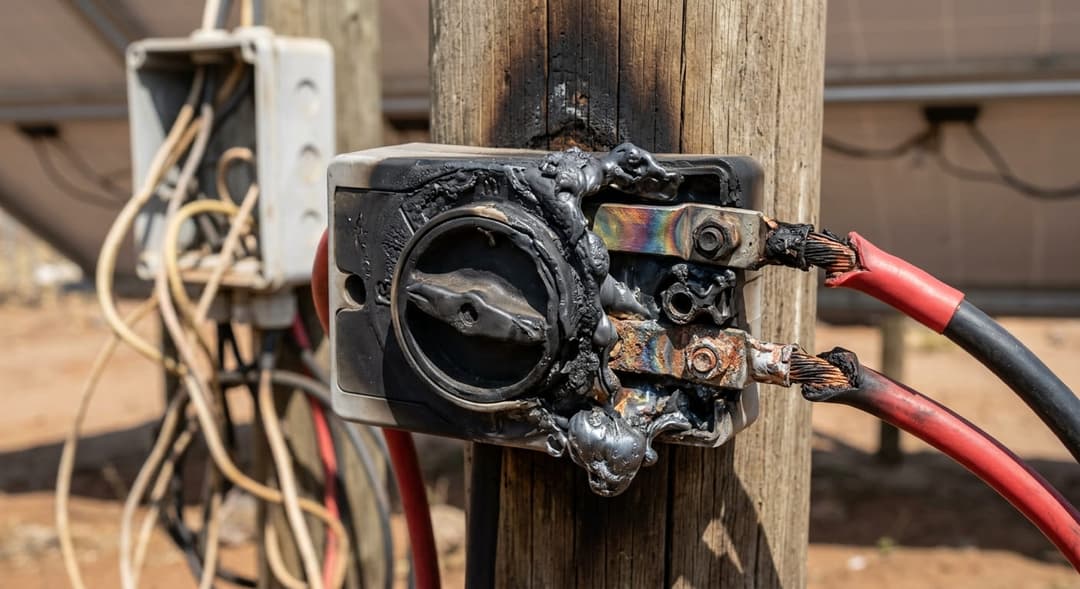
Figure 3: Thermal degradation and arc damage on an improperly rated DC isolator switch installed without professional crimping tools.
Common Technical Hazards in DIY Systems
-
DC Arc Faults & Poor Crimping: Improperly crimped solar cable connectors (MC4) or underrated isolator switches create high-resistance junction points. Over time, heat builds up, generating sustained high-temperature electrical arcs capable of igniting surrounding roof structures.
-
Thermal Runaway in Uncertified Batteries: Generic, non-certified lithium battery packs or repurposed second-hand EV cells often lack certified Battery Management Systems (BMS). Overcharging or improper cell balancing can trigger thermal runaway, releasing toxic gas and explosive fires.
-
Floating Neutral & Voltage Spikes: Incorrect earthing and changeover wiring during an AC installation can cause a "floating neutral" condition. This delivers extreme phase-to-phase voltage spikes (exceeding 400V AC) through household wall sockets, destroying connected refrigerators, televisions, computers, and sensitive electronics instantly.
Summary & Key Takeaways
The upfront savings offered by DIY solar or uncertified handymen are an illusion. A single insurance claim rejection or utility disconnection fine can cost tens or hundreds of times more than doing the installation right from day one.
To ensure your solar investment remains safe, legal, and valuable:
- Always insistence on a qualified installer: Ensure your electrician is registered with the Department of Employment and Labour (DoEL).
- Insist on compliant hardware: Verify your inverter is certified under NRS 097-2-1 and on Eskom’s approved list.
- Demand a valid Certificate of Compliance (CoC): Ensure a comprehensive CoC explicitly covering the embedded generation setup (SANS 10142-1 Section 7.12) is signed and handed over upon completion.
Would you like to consult with us regarding your home energy needs? Contact us for a no-obligation Chat. We're here to help.
If you know already have something in mind, we might have what you're looking for, please visit Tech and Bids to search for what you need.