Off-Grid Independence vs. Hybrid Systems: Making the Right Solar Choice Under Eskom Regulations
As electricity tariffs rise and load-shedding concerns persist across South Africa, homeowners and business operators are evaluating rooftop solar alternatives. A central technical and regulatory decision when designing a solar PV installation is choosing between a Pure Off-Grid System and a Grid-Tied Hybrid System.
While complete separation from the grid offers total independence and bypasses utility paperwork, hybrid systems provide a financial and operational middle ground. This guide compares both technical strategies under Eskom’s Small-Scale Embedded Generation (SSEG) regulatory framework.
1. Regulatory Context: When is SSEG Registration Required?
Under Schedule 2 of the Electricity Regulation Act (ERA) and Eskom’s distribution rules, the boundary between mandatory utility registration and regulatory exemption lies in the physical and electrical connection to the grid.
+------------------------------------------------------------------------+
|                     PROPERTY ELECTRICAL MAINS                          |
+------------------------------------------------------------------------+
|
+----------------+----------------+
|                                 |
v                                 v
+------------------------------+  +------------------------------+
|      PURE OFF-GRID SETUP     |  |       HYBRID SOLAR SETUP     |
| • Physical Air-Gap/Changeover|  | • Active Grid Feed Connection|
| • Zero Eskom Grid Connection |  | • Automatic Grid Fallback    |
| • EXEMPT from SSEG Reg       |  | • MANDATORY SSEG Registration|
+------------------------------+  +------------------------------+
|                                 |
v                                 v
+------------------------------+  +------------------------------+
|   SANS 10142-1 CoC Required  |  |  DoEL CoC + NRS 097-2-1 List |
+------------------------------+  +------------------------------+
Pure Off-Grid Systems: The Regulatory Exemption
To qualify for exemption from Eskom SSEG registration, a solar system must be physically air-gapped or equipped with a interlocked changeover switch that prevents any parallel connection between the inverter output and the Eskom electrical supply network.
- Key Advantage: Bypasses Eskom application queues, approval timelines, and utility-specific metering fees.
- Important Note: A valid Electrical Certificate of Compliance (CoC) under SANS 10142-1 is still legally required for insurance and safety compliance on all off-grid electrical installations.
Hybrid Systems: Mandatory Compliance
A hybrid solar inverter connects simultaneously to solar panels, battery banks, essential electrical loads, and the Eskom utility grid. Because hybrid inverters can blend power sources and operate in parallel with the grid, Eskom classifies them under SSEG guidelines.
- Mandatory Requirement: The inverter model must feature on Eskom's NRS 097-2-1 approved equipment list with verified anti-islanding protection, and the system must be registered through your local Eskom Customer Network Centre (CNC) or municipal distributor.

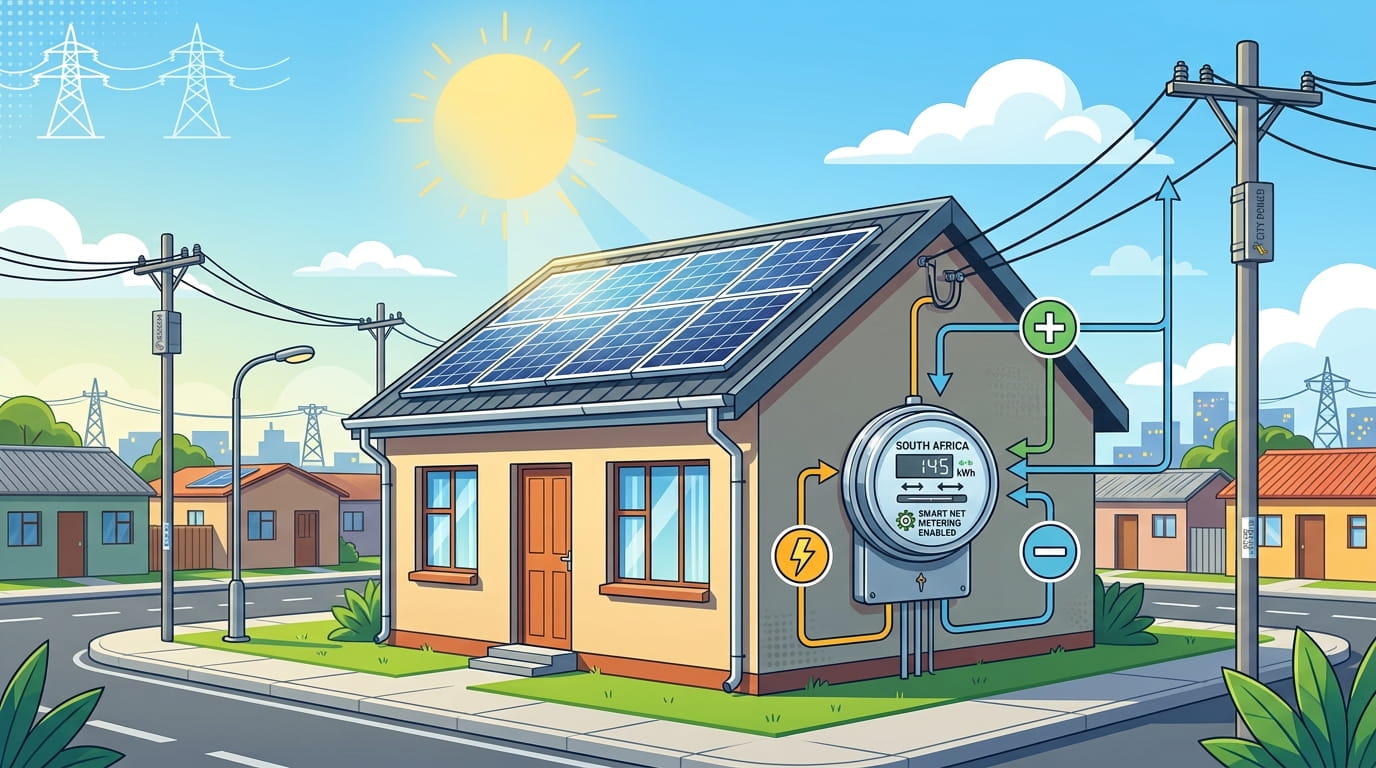
Figure 1: Architecture breakdown comparing physical grid isolation (Off-Grid) against parallel utility interconnection (Hybrid).
The differences in the systems are summarized as follows:
| criteria | pureOffGrid | hybridSystem |
|---|---|---|
| Eskom SSEG Registration | Exempt (if physically air-gapped / disconnected) | Mandatory (Grid-tied connection) |
| NRS 097-2-1 Inverter Approval | Not required by Eskom (SANS 10142-1 still applies) | Mandatory (Must be on Eskom approved list) |
| Initial Capital Outlay (CAPEX) | High (Requires heavy battery oversized PV array) | Moderate (Right-sized battery & solar array) |
| Extended Rain/Cloud Performance | Requires auxiliary diesel/petrol generator | Seamless Eskom grid top-up when battery is low |
| Grid Power Export Ability | None | Supported (If bi-directional meter installed) |
| Installation Complexity | Complex changeover / complete isolation required | Standardized sub-DB split & automatic transfer switch |
2. Technical Comparison & Operational Realities
Selecting the optimal architecture requires balancing initial capital investment against long-term operational flexibility.
Extended Rain and Cloud Coverage
South Africa's summer rainfall regions (such as Gauteng and North West) experience multi-day cloudy spells.
- Off-Grid Vulnerability: When solar production drops below daily consumption for several days, an off-grid battery bank depletes rapidly. To maintain power, off-grid systems must rely on an auxiliary fuel-powered diesel or petrol generator.
- Hybrid Advantage: Hybrid inverters automatically draw power from the Eskom grid to keep essential loads running and gently top up batteries during prolonged rainy periods, ensuring continuous power without generator noise or fuel costs.
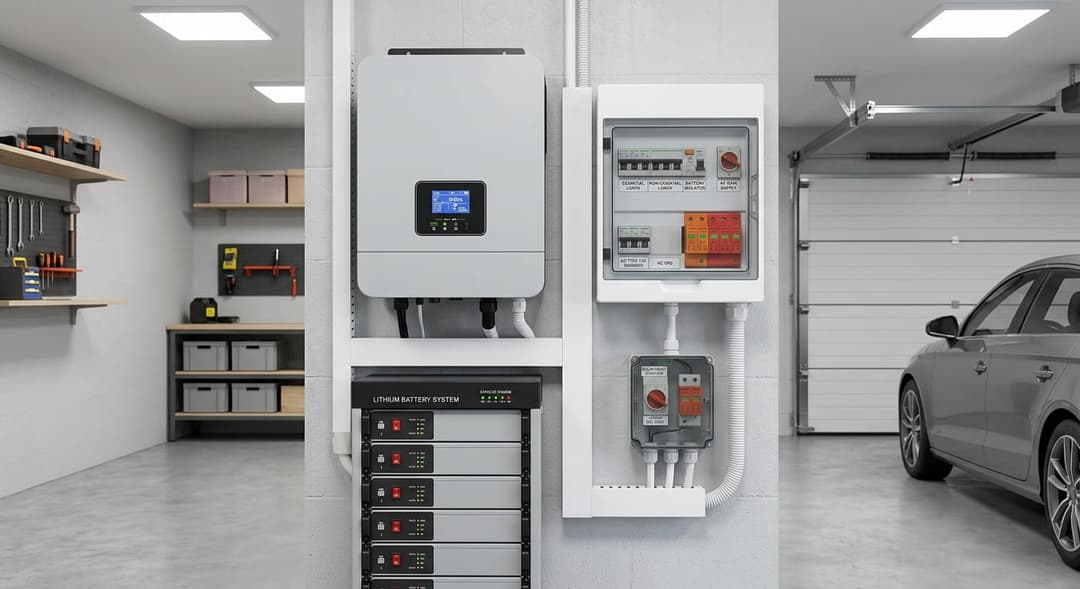
Figure 2: Modern residential hybrid solar installation configured with automatic utility backup transfer and lithium battery management.
3. Financial Trade-Offs: Oversizing vs. Grid Backup
The financial decision comes down to CAPEX (Capital Expenditure) for system hardware versus OPEX (Operational Expenditure) for utility electricity.
+-------------------------------------------------------------------------+
|                        CAPITAL EXPENDITURE (CAPEX)                      |
+-------------------------------------------------------------------------+
| PURE OFF-GRID:   [████████████████████████████████] High PV & Battery   |
| HYBRID SYSTEM:   [███████████████████] Optimized Sizing + Grid Backup    |
+-------------------------------------------------------------------------+
Capital Expenditure (CAPEX)
- Pure Off-Grid: Requires significant oversizing of both the solar PV panel array (to harvest sufficient power on overcast days) and the lithium battery bank (to provide 3 to 4 days of battery autonomy). This drives up initial hardware costs substantially.
- Hybrid System: Allows for right-sizing. The solar array and battery storage can be sized for normal sunny conditions (covering peak day usage and overnight essential loads), while relying on Eskom as an inexpensive secondary safety net for rare low-yield days.
Administrative Costs
While hybrid systems require regulatory registration (which may involve administrative or metering costs depending on local supply arrangements), the savings achieved by optimizing battery capacity often outweigh the compliance overhead.
The cost implications are summarized as follows:
| costFactor | offGridApproach | hybridApproach |
|---|---|---|
| PV Array Sizing Strategy | Oversized by 150-200% for winter peak load | Optimized for daily average solar yield |
| Battery Storage Capacity | 3 to 4 days autonomy (30kWh+ for typical home) | Overnight essentials coverage (10kWh-15kWh) |
| Backup Reliance | Fuel costs for backup generator during wet months | Minimal utility bill top-up during bad weather |
| Regulatory Compliance Cost | Zero Eskom admin fees (CoC still mandatory) | Eskom application fees + meter upgrade if applicable |
Summary & Strategic Recommendation
Decision Matrix:
┌─────────────────────────────┬───────────────────────────────┐
│     Choose PURE OFF-GRID    │      Choose HYBRID SYSTEM     │
├─────────────────────────────┼───────────────────────────────┤
│ • Remote location without   │ • Existing urban or suburban  │
│   Eskom grid infrastructure │   Eskom power connection      │
│ • Willingness to maintain   │ • Seeking optimal balance of  │
│   auxiliary generator backup│   CAPEX and energy savings    │
│ • Priority on total utility │ • Desire for automated,       │
│   independence & no paperwork│   maintenance-free operation  │
└─────────────────────────────┴───────────────────────────────┘
For most urban and suburban properties with an existing grid connection, a Grid-Tied Hybrid Solar System provides a practical path to energy security. It maximizes daily self-consumption while leveraging Eskom as a cost-effective backup during adverse weather conditions.
Conversely, for properties in remote areas without utility access—or property owners committed to complete grid separation—a Pure Off-Grid System offers complete independence, provided the system is designed with adequate battery autonomy and generator backup.
Would you like to consult with us regarding your home energy needs? Contact us for a no-obligation Chat. We're here to help.
If you know already have something in mind, we might have what you're looking for, please visit Tech and Bids to search for what you need.