Beating Tariff Hikes: Designing a Hybrid Solar System for Maximum ROI
With electricity tariffs in South Africa escalating year after year under Eskom’s Multi-Year Price Determination (MYPD) structures and municipal block tariffs, residential electricity costs have become a primary household budget concern. Simply installing a solar system is no longer just about surviving load-shedding—it is a critical strategy for financial optimization.
To maximize your Return on Investment (ROI) and shorten the system payback period to under 4 years, a hybrid solar system must be precision-engineered. This guide breaks down the technical sizing and load-scheduling strategies required to eliminate expensive grid electricity and achieve maximum energy self-sufficiency.
1. The Financial Imperative: Beat Escalating Utility Tariffs
When municipal and utility electricity rates increase annually above inflation, every kilowatt-hour (kWh) generated by your rooftop solar PV array delivers compounding financial returns.
+-------------------------------------------------------------------------+
|                  ANNUAL ELECTRICITY TARIFF ESCALATION                   |
+-------------------------------------------------------------------------+
| YEAR 1 (Baseline Grid Tariff) : [████████] R 3.50 / kWh                 |
| YEAR 2 (+12.7% Hike Estimate)  : [█████████] R 3.94 / kWh                |
| YEAR 3 (+12.7% Hike Estimate)  : [████████████] R 4.44 / kWh             |
| YEAR 4 (+12.7% Hike Estimate)  : [██████████████] R 5.00 / kWh           |
+-------------------------------------------------------------------------+
| * Self-generated solar energy yields higher savings every single year.  |
+-------------------------------------------------------------------------+
The Two Pillars of Solar ROI
- Direct Solar Self-Consumption: Using solar power live during daytime hours as it is produced by panels. This is the cheapest electricity you will ever use because it involves zero battery wear-and-tear costs.
- Peak Shaving & Load Shifting: Storing excess daytime solar generation in lithium-ion batteries to power the household during expensive evening peak tariff periods (typically 17:00 to 21:00).
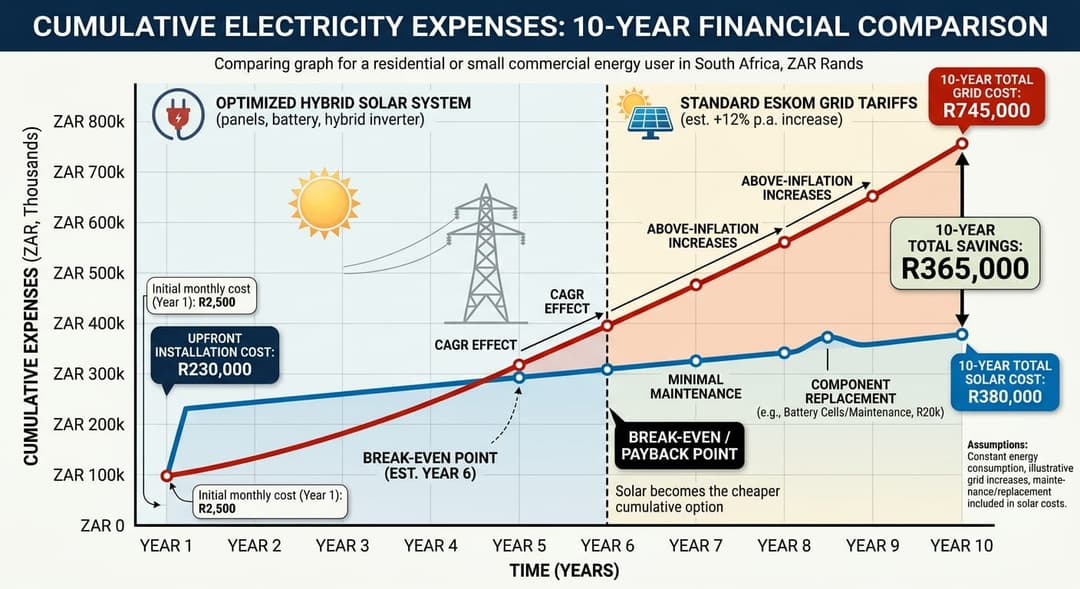
Figure 1: Cumulative cash flow comparison showing payback breakeven achieved within 3.5 to 4.5 years followed by pure long-term savings.
2. Right-Sizing Hardware for Financial Efficiency
Oversizing a system results in unnecessary initial capital expenditure (CAPEX) with diminishing financial returns, while undersizing leaves you dependent on grid tariffs. Optimal design relies on matching three core components:
+------------------+      +-------------------+      +-------------------+
|  SOLAR PV ARRAY  | ---> |   HYBRID INVERTER | ---> |  LITHIUM STORAGE  |
| Oversized +20%   |      | Sized to Peak Load|      | Sized for Night   |
+------------------+      +-------------------+      +-------------------+
A. The Solar PV Panel Array (Over-paneling Strategy)
- Rule of Thumb: Size your total PV panel capacity (kWp) approximately 20% higher than your hybrid inverter's continuous AC output rating.
- Why? Solar panels rarely operate at 100% of their nameplate rating due to temperature losses, atmospheric haze, and seasonal sun angles. Over-paneling ensures your inverter reaches maximum generation early in the morning and maintains peak output throughout the day.
B. The Hybrid Inverter
- Choose an intelligent hybrid inverter featuring multiple Maximum Power Point Trackers (MPPTs) and programmable time-of-use (TOU) settings.
- An 8kW hybrid inverter is the sweet spot for average 4-to-5-person South African households, providing ample capacity to run heavy inductive loads (such as borehole pumps or air conditioners) alongside regular household appliances.
C. Lithium-Ion Battery Storage (LiFePO4)
- Size your lithium battery bank primarily for overnight essential consumption rather than multi-day off-grid autonomy.
- Lithium Iron Phosphate (LiFePO4) chemistry offers superior cycle life (6,000+ cycles at 80% Depth of Discharge). A 10kWh to 14kWh battery capacity typically covers standard evening and overnight baseline loads without incurring excessive upfront hardware costs.
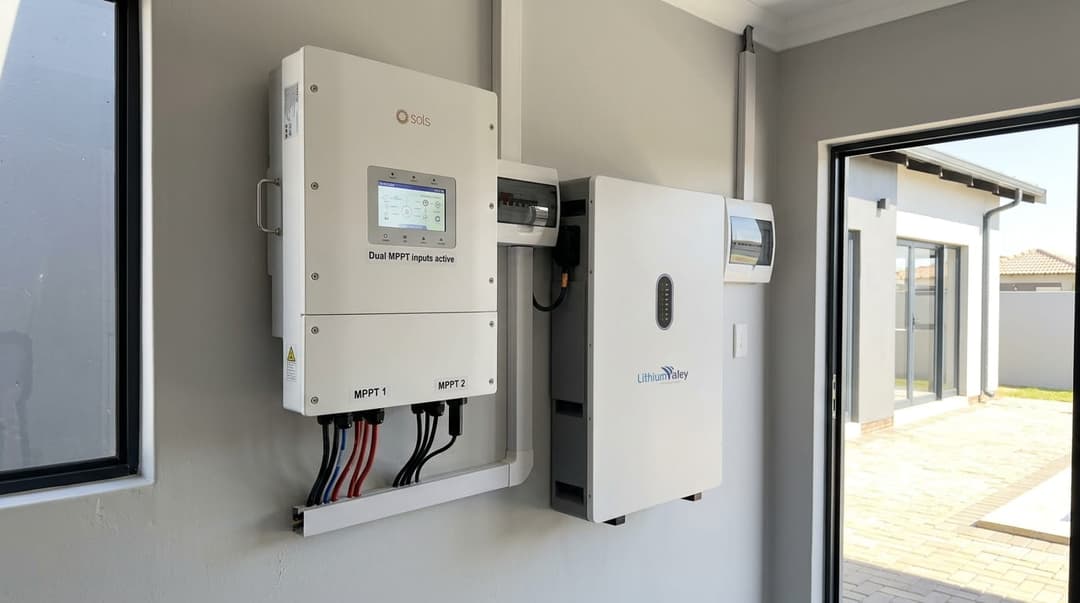
Figure 2: Precision-sized residential hybrid system balancing daytime generation and evening battery power.
The following table summarizes the key factors involved in determining the sizing of your solar system installation:
| householdType | dailyConsumption | inverterSize | pvArrayCapacity | batteryStorage | estimatedPayback |
|---|---|---|---|---|---|
| Small Household (2-3 People) | 12 - 18 kWh | 5 kW Hybrid | 4.5 kWp - 5.5 kWp | 5.12 kWh - 10.24 kWh | 3.5 - 4.5 Years |
| Medium Household (4-5 People) | 20 - 30 kWh | 8 kW Hybrid | 7.0 kWp - 9.0 kWp | 10.24 kWh - 14.3 kWh | 3.8 - 4.8 Years |
| Large Household / Home Office | 35 - 50 kWh | 10 kW - 12 kW Hybrid (or Parallel) | 11.0 kWp - 14.0 kWp | 15 kWh - 20 kWh | 4.0 - 5.0 Years |
3. Load Scheduling: The Secret to Maximum Payback
Hardware accounts for only half of the ROI equation—the remaining half depends on energy management behavior. By shifting high-energy daytime activities into peak solar generation hours (10:00 to 15:00), you avoid drawing power from the grid or depleting your battery prematurely.
+-------------------------------------------------------------------------+
|                  OPTIMAL DAILY LOAD SCHEDULING PROFILE                  |
+-------------------------------------------------------------------------+
| 06:00 - 09:00 | Morning Peak  : Battery powers essential home loads     |
| 10:00 - 14:00 | Solar Surplus : Geyser heating + Pool pump filtration   |
| 12:00 - 15:00 | Solar Peak    : Washing machines & heavy appliances     |
| 17:00 - 21:00 | Evening Peak  : Battery powers cooking, lighting, TV    |
| 22:00 - 05:00 | Overnight     : Low battery baseline discharge          |
+-------------------------------------------------------------------------+
High-Impact Load Automation Strategies
-
Smart Geyser Controllers: Electric geysers account for up to 30% to 40% of standard household electricity bills. Installing a digital timer or Wi-Fi smart controller ensures the geyser heats exclusively between 10:30 and 13:30 when solar energy is abundant.
-
Pool Pump Optimization: Program pool filtration pumps to run for 4 to 6 hours during mid-day solar peak generation rather than overnight or early in the morning.
-
Staggered Appliance Runs: Avoid running high-draw appliances simultaneously. Running a dishwasher, washing machine, and tumble dryer sequentially during daylight hours keeps total load within direct solar capacity, eliminating grid consumption.
The following table should be used to figure out the scheduling of when to use certain appliances:
| appliance | powerRating | recommendedWindow | controlMethod | financialImpact |
|---|---|---|---|---|
| Electric Water Geyser | 2.0 kW - 3.0 kW | 10:00 - 14:00 | Smart Wi-Fi Timer / Solar Diverter | High (Reduces overnight battery drain by ~30%) |
| Pool Filtration Pump | 0.75 kW - 1.1 kW | 11:00 - 15:00 | Digital DB Timer | Medium (Consumes pure real-time solar surplus) |
| Washing Machine / Dishwasher | 1.5 kW - 2.2 kW | 09:00 - 12:00 | Manual / Delay Start Switch | Medium (Prevents peak morning grid usage) |
| Air Conditioning (Heating/Cooling) | 1.2 kW - 2.5 kW | 12:00 - 16:00 | Smart Thermostat / Automation | High (Pre-cools/heats home during peak generation) |
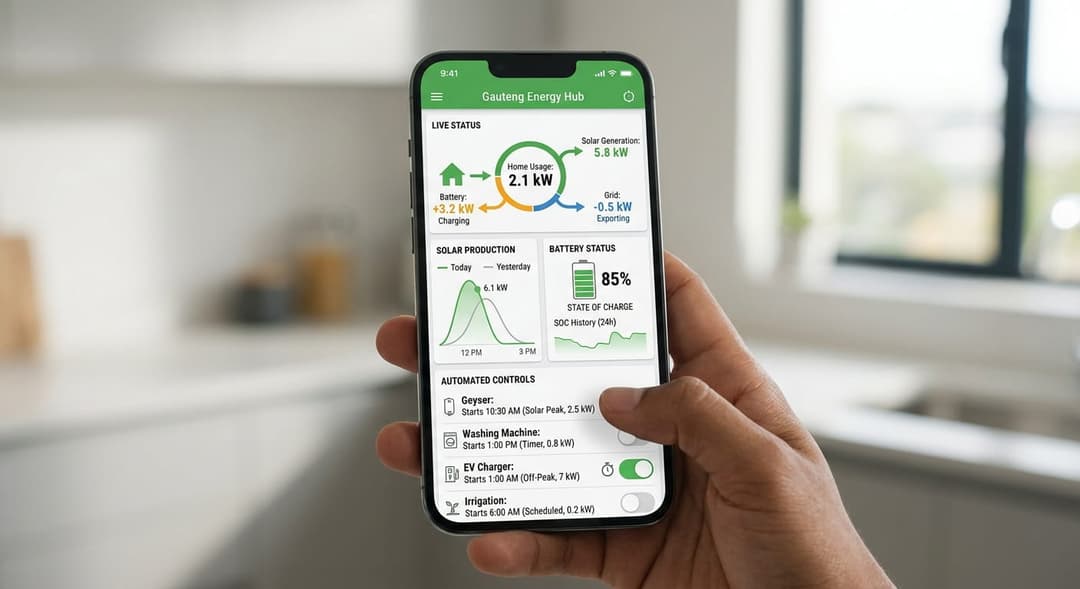
Figure 3: Home energy management app monitoring real-time solar production and automated appliance timers.
Summary & Key Takeaways
To beat escalating utility tariffs and achieve maximum financial return on your solar investment:
- Right-size system components: Pair an over-paneled solar PV array with an efficient hybrid inverter and right-sized lithium storage.
- Automate heavy loads: Use smart timers to align geysers, pool pumps, and heavy appliances with peak daytime solar production (10:00 - 14:00).
- Protect your battery investment: Avoid deep overnight discharges on heavy heating appliances to prolong battery lifespan while minimizing grid power reliance.
By treating your hybrid solar installation as an actively managed financial asset, you protect your household budget against future tariff increases while recovering your capital investment in record time.
Would you like to consult with us regarding your home energy needs? Contact us for a no-obligation Chat. We're here to help.
If you know already have something in mind, we might have what you're looking for, please visit Tech and Bids to search for what you need.