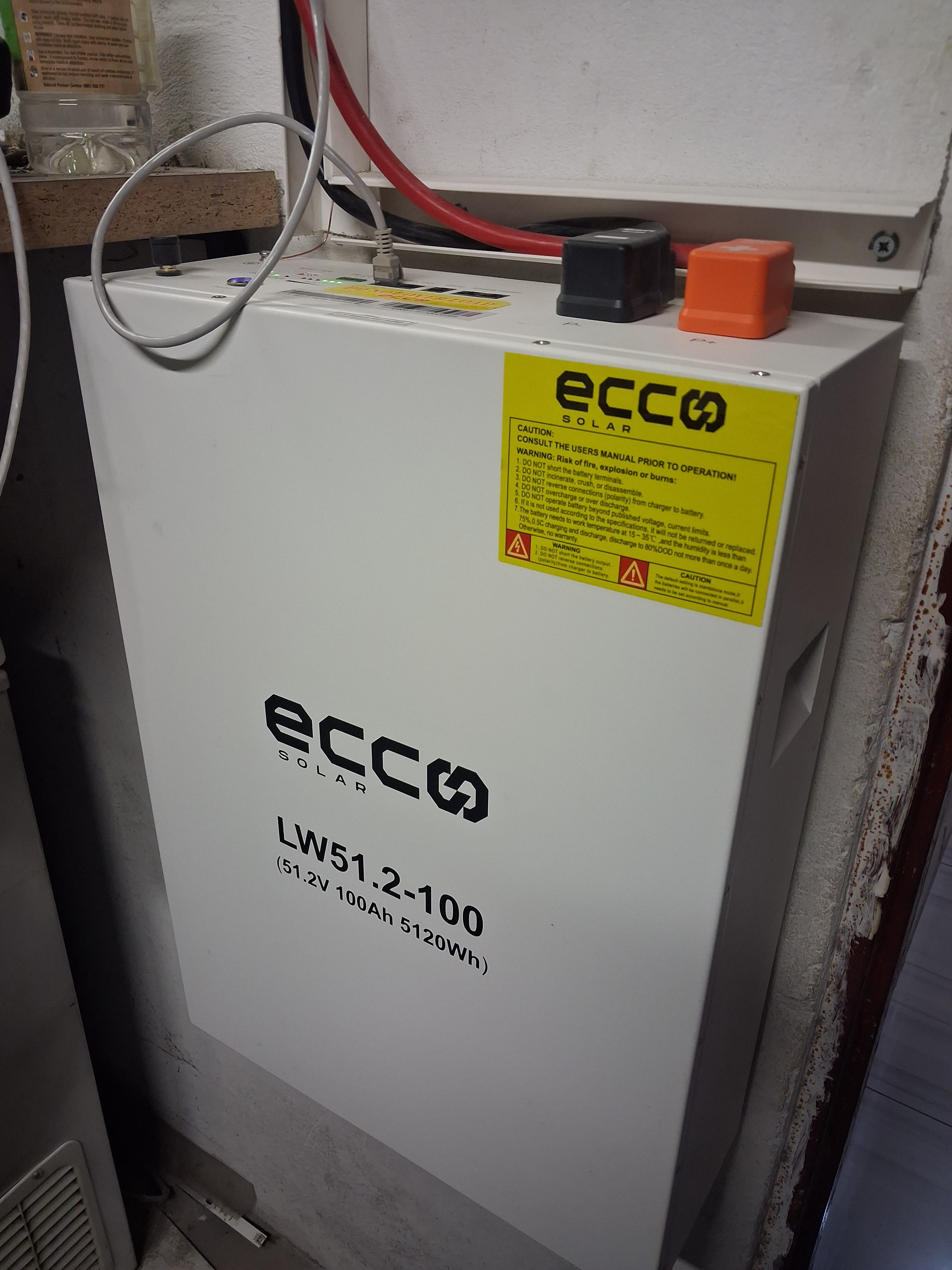
With the persistent threat of load shedding and grid instability in South Africa, a residential solar and backup inverter system is no longer a luxury—it is a critical business and lifestyle continuity asset. At the heart of these systems lies the most expensive single component: the lithium-ion battery storage bank.
While modern Lithium Iron Phosphate (LiFePO4) chemistry is remarkably resilient compared to legacy lead-acid cells, these units are not immortal. Every charge-discharge cycle, high-temperature excursion, and aggressive draw degrades their internal chemistry.
If you have noticed your backup system cutting out earlier than expected during a blackout, you might be dealing with accelerated capacity loss. This guide will walk you through how to execute a precise lithium battery life test, evaluate whether you need an inverter battery repair, or determine if it is time to source a solar battery replacement SA vendors can support.
1. The Anatomy of Lithium-Ion Degradation
Unlike software assets that can be patched indefinitely, physical battery cells experience irreversible thermodynamic and chemical wear. In the South African context—where batteries frequently cycle multiple times a day due to severe power outages—degradation typically accelerates via three primary pathways:
- Capacity Fade: The loss of active lithium ions within the cell, leading to shorter overall backup runtimes.
- Impedance Growth: The internal resistance of the cells increases over time. This reduces the battery's ability to deliver high current during heavy surges (e.g., when a water pump or compressor kicks in), causing voltage sags that can prematurely trip your inverter.
- Cell Imbalance: A battery pack is only as strong as its weakest cell. If one cell degrades faster than the others, the Battery Management System (BMS) will shut down the entire pack early to protect that single cell, effectively reducing your usable capacity.
Key Technical Metrics Compared
| Performance Attribute | Healthy Lithium Pack (LiFePO_4) | Degraded / Failing Lithium Pack | Impact on Backup System |
|---|---|---|---|
| State of Health (SoH) | 90% – 100% | Below 70% – 80% | Drastically reduced runtime during outages. |
| Internal Resistance | Very Low | Elevated | Causes voltage drops under load; causes inverter to trip on "Low DC Voltage". |
| Cell Voltage Delta | variation at rest | variation under load | The BMS forces early cutoff, leaving usable energy stranded. |
| Thermal Behavior | Ambient or slight rise | High localized heat generation | Accelerated degradation; risk of thermal runaway or BMS safety shutdowns. |
2. Step-by-Step Guide: How to Perform a Lithium Battery Life Test
You cannot manage what you do not measure. Before jumping to conclusions about an expensive solar battery replacement SA service, you can run a diagnostic baseline test using your existing system tools or basic electrical hardware.
Method A: The Controlled Discharge Capacity Test (Most Accurate)
This is the gold standard for verifying your actual storage capacity against the manufacturer's specification.
-
Charge to 100%: Allow your solar panels or grid inverter to charge the battery bank completely until the BMS reports a 100% State of Charge (SoC) and the cells have fully balanced (usually indicated by a drop in charge current down to zero).
-
Isolate the System: Switch off the AC input breaker to your inverter so it cannot pull power from Eskom or the municipal grid. Ensure your solar PV isolation switch is turned off if you want a pure battery test without solar generation interference.
-
Apply a Constant, Known Load: Turn on a predictable set of household appliances (e.g., computer servers, steady lighting, or a dedicated resistive heater) that draws a stable load. For example, aim for a steady load equal to roughly 10% to 20% of your total battery capacity (a 0.1C to 0.2C rate).
-
Monitor the Runtime: Record the starting time. Let the system run until the inverter cuts out on low-voltage disconnect or reaches its programmed minimum depth of discharge (DoD) threshold (typically 10% to 20% remaining SoC for lithium).
-
Calculate the Wh Capacity: Multiply the average load (in Watts) by the total run hours.
Actual Energy Delivered (Wh) = Average Load (W) × Time (Hrs)
Compare this number against your battery's original nameplate capacity. If a 5kWh battery only delivers 3.1kWh under a moderate load before shutting down, your State of Health (SoH) is roughly 62%, indicating severe degradation.
Method B: BMS Diagnostics and Digital Interrogation
If you run a smart, closed-loop communications protocol between your inverter (e.g., SunSynk, Victron, Deye) and your lithium battery (e.g., PylonTech, Freedom Won, Hubble) via a CAN or RS485 bus, your job is much easier.
- Access your inverter's monitoring dashboard or the battery's proprietary diagnostic software via a laptop interface.
- Check the State of Health (SoH) percentage directly.
- Look at the Cycle Count. Most tier-1 lithium batteries are rated for 4,000 to 6,000 cycles at an 80% Depth of Discharge before dropping to 80% SoH. If your cycle count is low but SoH is poor, environmental factors or configuration errors are likely the culprit.
3. When to Repair vs. When to Replace
If your diagnostic tests reveal a failing storage bank, you face a critical financial decision: do you invest in an inverter battery repair or bite the bullet on a full hardware replacement?
Inverter Battery Repair: The Component-Level Approach
In many cases, the entire battery pack isn't broken; rather, a singular subsystem has failed:
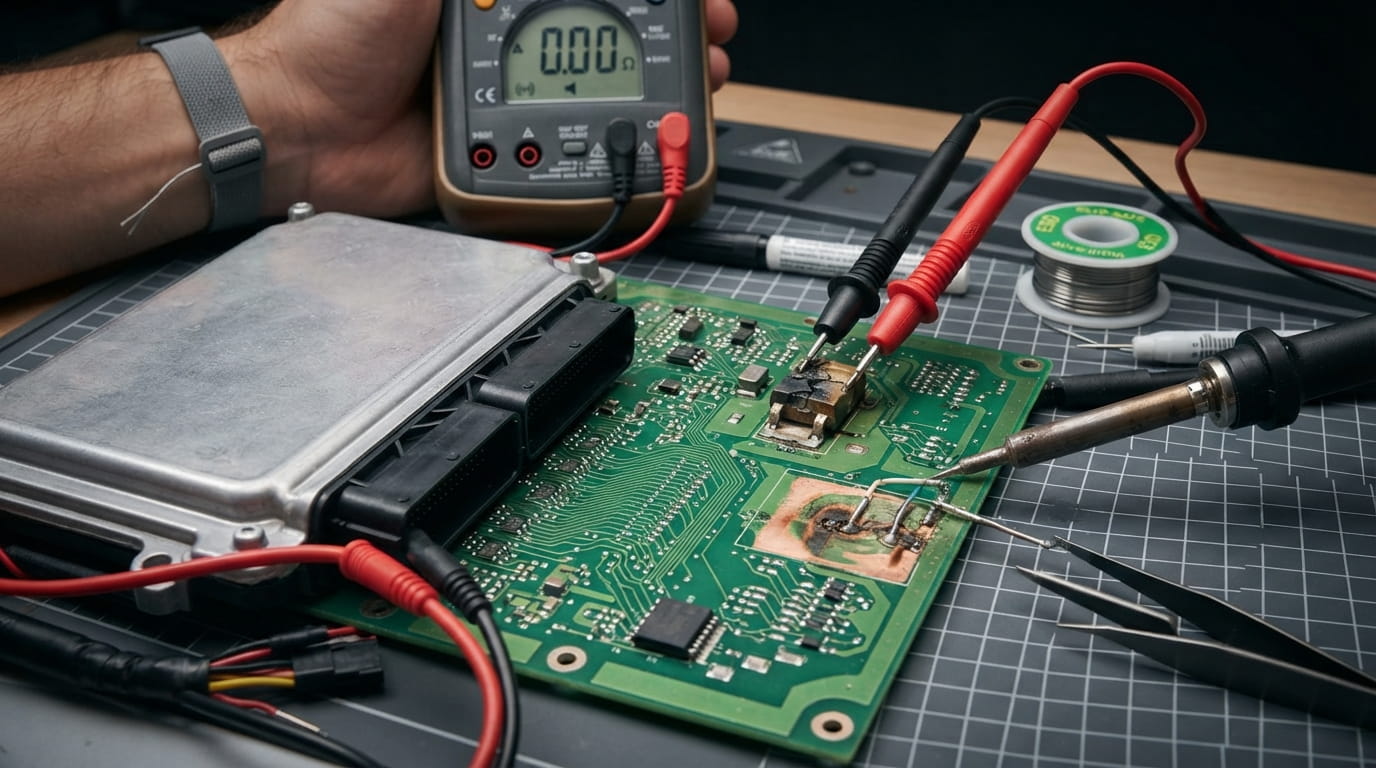
- BMS Malfunction: If your battery refuses to communicate, won't accept a charge, or throws cryptic error codes while cell voltages are perfectly balanced, the internal BMS circuit board might have been fried by a lightning strike or grid surge. Replacing the BMS module is a highly cost-effective repair that completely revives the pack.
- Single Cell Swapping: Some specialized technical repair centers can disassemble modular packs, isolate a single ruptured or high-impedance cell, and replace it with a precision-matched cell.
Warning: Component-level cell matching requires laboratory-grade balancing equipment. Never attempt to mix old and new lithium cells without strict professional supervision, as internal resistance mismatches can cause severe overcurrent hazards.
Full Solar Battery Replacement SA Considerations
If your lithium bank is older than 8–10 years, has exceeded its rated cycle life, or exhibits widespread cell swelling across all modules, an outright replacement is the safest and most economically viable path forward.
When upgrading, ensure your installer configures proper surge protection on both the DC and AC lines. The power spikes that accompany the return of grid electricity after a load shedding window are notorious for damaging both inverter logic boards and battery electronics.
4. Maintenance Strategies to Extend Your Lithium Storage Life
To protect your investment and postpone the need for a premature replacement, implement these structural maintenance and configuration protocols:
Keep Cool Under Pressure
Lithium degradation accelerates exponentially when operating in high ambient temperatures.
- Ensure your inverter and battery room is actively ventilated or structurally shielded from direct South African afternoon sun.
- Maintain clear clearance profiles around the chassis as designated by the manufacturer to prevent localized heat pockets.
Optimize Your Inverter Charge Parameters
Many out-of-the-box inverter profiles drive lithium batteries right up to their physical limits to claim higher runtime metrics on spec sheets. To drastically extend cell longevity, adjust these configurations slightly inside your inverter dashboard:
- Reduce Maximum Charge Current: Instead of charging at a maximum 1C rate (e.g., 100A for a 100Ah battery), throttle it down to a 0.5C rate (50A) or lower. Slower charging generates drastically less internal cell stress.
- Relax the Voltage Thresholds: Lowering your upper charge voltage cut-off by just 0.05\text per cell can significantly diminish chemical stress at full charge, often doubling the calendar life of the cells while only sacrificing a negligible 2-3% of total daily capacity.
Regular Firmware Updates
Keep your inverter and battery firmware up to date. Manufacturers continuously refine their charging algorithms and BMS safety parameters based on field telemetry data, optimizing how the system behaves under extreme load shedding frequencies.
Summary Checklist for System Asset Owners
If you suspect your energy storage system is losing its edge, follow this quick diagnostic blueprint before reaching out for professional technical assistance:
- [ ] Check your inverter's monitoring app for any registered DC low-voltage errors or BMS communication alerts.
- [ ] Visually inspect the battery casing for structural anomalies, such as bulging, warping, or terminal corrosion.
- [ ] Run a controlled, continuous discharge test to verify your real-world Watt-hour capacity against the factory spec.
- [ ] Verify that your current operational charge and discharge rates align with the manufacturer's optimal longevity curves rather than peak performance maximums.
Experiencing a similar issue? Contact us for a no-obligation quote. We're here to help.