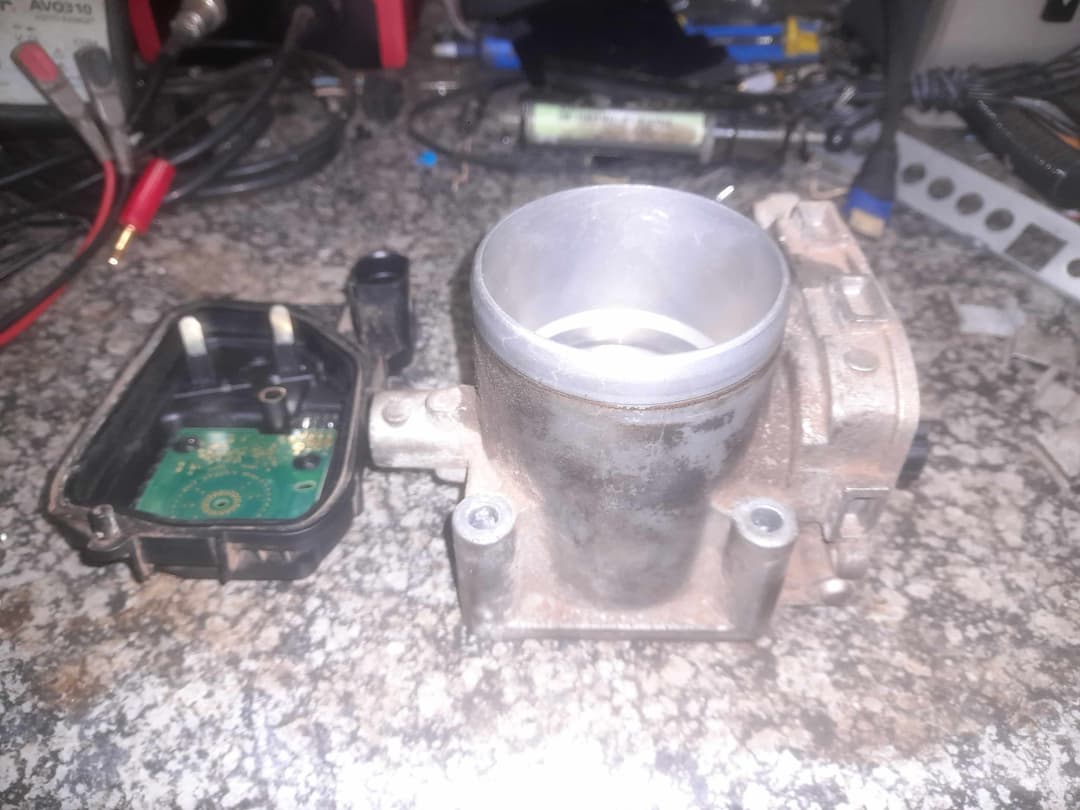
MAGNETI MARELLI 03F133062B Throttle Body on a workbench
The MAGNETI MARELLI-manufactured throttle body with part number 03F133062B is a critical, yet often problematic, component in the Volkswagen Audi Group (VWAG) lineup. Found in millions of vehicles from the late 2000s to early 2010s—including Volkswagen Golf/GTI, Jetta, Passat, and Audi A3/A4 with 1.4L TSI, 1.6L, and some 2.0L engines—this electronic throttle body is a frequent flyer in repair shops and DIY forums.
Understanding its failure modes can save you from costly misdiagnoses and repeated repairs.
🚨 Common Symptoms of Failure
When the 03F133062B begins to fail, it communicates through a range of driveability issues. Watch for these telltale signs:
- Erratic or High Idle: The RPM needle may "hunt" or fluctuate between 800 and 1200 RPM at a stop, or settle at an abnormally high idle (e.g., 1100 RPM).
- Illuminated Warning Lights: The yellow EPC (Electronic Power Control) light and/or the Check Engine Light will illuminate on the dashboard.
- Stalling: The engine may stall when coming to a stop or during idle, especially when the A/C compressor cycles on.
- Reduced Power & Limp Mode: The vehicle enters a protective "limp mode," severely limiting engine power and RPMs, often accompanied by a flashing EPC light.
- Hard Starting & Hesitation: The engine may crank longer than usual before starting, or stumble and hesitate during initial acceleration.
🔍 Diagnostic Trouble Codes (DTCs)
A proper OBD2 scan tool (preferably VCDS, OBDeleven, or a professional-grade scanner) is essential. The following codes are most associated with this throttle body:
| Code | Description | Likely Cause |
|---|---|---|
| P0121 | Throttle/Pedal Position Sensor/Switch 'A' Circuit Range/Performance | Internal sensor fault, carbon buildup, wiring |
| P0221 | Throttle/Pedal Position Sensor/Switch 'B' Circuit Range/Performance | Internal sensor fault, carbon buildup, wiring |
| P0638 | Throttle Actuator Control Range/Performance | Mechanical binding, motor failure |
| P2111 | Throttle Actuator Control System - Stuck Open | Blade stuck open, severe carbon, motor failure |
| P2112 | Throttle Actuator Control System - Stuck Closed | Blade stuck closed, severe carbon, motor failure |
| P1545 | Throttle Valve Position Sensor - Implausible Signal (VAG-specific) | Sensor disagreement, common internal failure |
🛠️ Step-by-Step Diagnosis Guide
1. Perform a Visual Inspection
Remove the air intake duct to inspect the throttle body blade and bore. Look for:
- Heavy, wet carbon buildup around the edges of the butterfly valve.
- Oil contamination from a failing PCV system.
- Damage to the electrical connector or pins.
⚠️ Warning: Never force the throttle blade open manually. This can damage the internal gears and potentiometers.
2. Check Wiring and Connectors
Inspect the wiring harness leading to the throttle body, especially near bends or where it might rub against the engine. Look for chafed, broken, or corroded wires. A poor connection is a common culprit.
3. Live Data Analysis
Using your scan tool, check the live data (Measuring Blocks) for the throttle body. Key parameters:
- Throttle Valve Adaptation Value: Should typically be between -5% and +5%. A value outside ±8% often indicates a mechanical issue or heavy carbon.
- Specified vs. Actual Throttle Angle: At idle, these should match very closely (e.g., 3.5% vs. 3.5%). A large discrepancy points to a problem.
✅ Repair Solutions
Option 1: Cleaning (For Carbon-Related Issues Only)
If the throttle body is electrically sound but dirty, cleaning can be effective.
What you'll need:
- Throttle body cleaner specifically labeled safe for electronic throttle bodies (e.g., CRC Throttle Body & Air Intake Cleaner). DO NOT use harsh carburetor or brake cleaners.
- Soft-bristle brushes and lint-free rags.
Procedure:
- Disconnect the negative battery terminal (optional but recommended).
- Remove the air intake assembly to access the throttle body.
- DO NOT remove the throttle body from the vehicle if possible. This avoids re-sealing issues.
- Have an assistant gently depress the accelerator pedal to open the blade, or use a scan tool's "Basic Settings" to open it.
- Spray cleaner onto a rag or brush and carefully wipe the bore and edges of the blade. Avoid soaking the electronic housing.
- Reassemble and perform a Throttle Body Adaptation (TBA).
Option 2: Repair (For Control Circuit and Mechanical Parts)
There are two possible repairable failure modes for the 03F133062B throttle body:
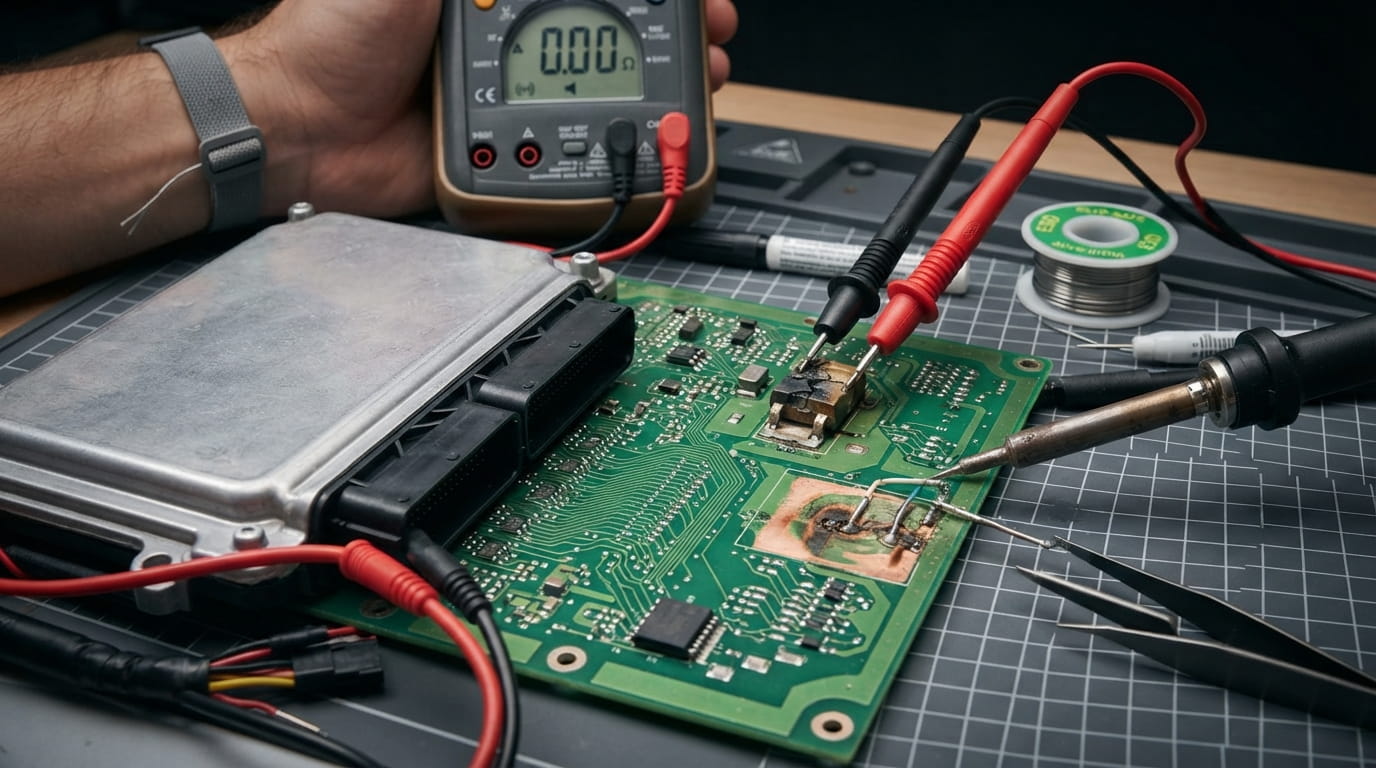
- Electrical Faults: If the mechanically bonded electrical connectors to the internal module are damaged, it is possible to solder them back into place.
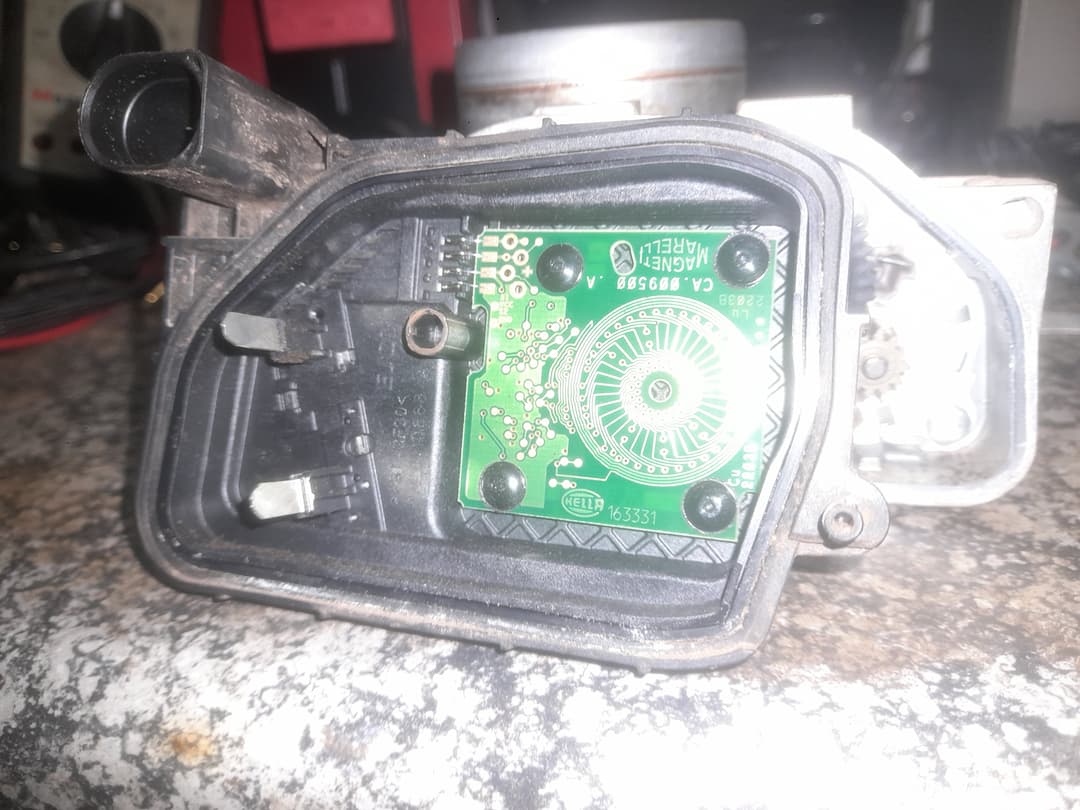
Bosch 03F133062B Throttle Body PCB
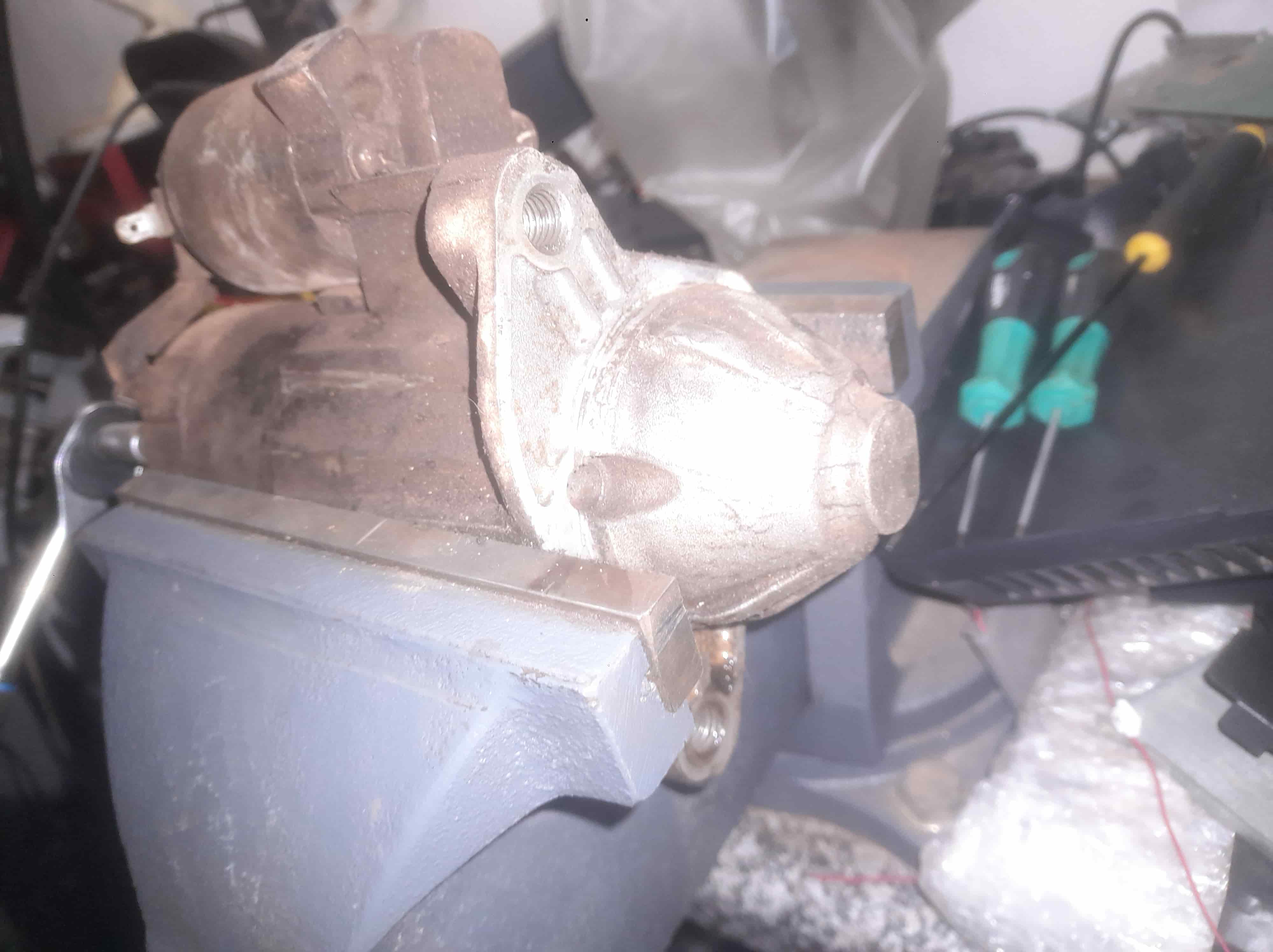
- Mechanical Faults: If the mechanical parts are damaged, the spring or hardened plastic gears that operate the throttles butterfly flap can be replaced.
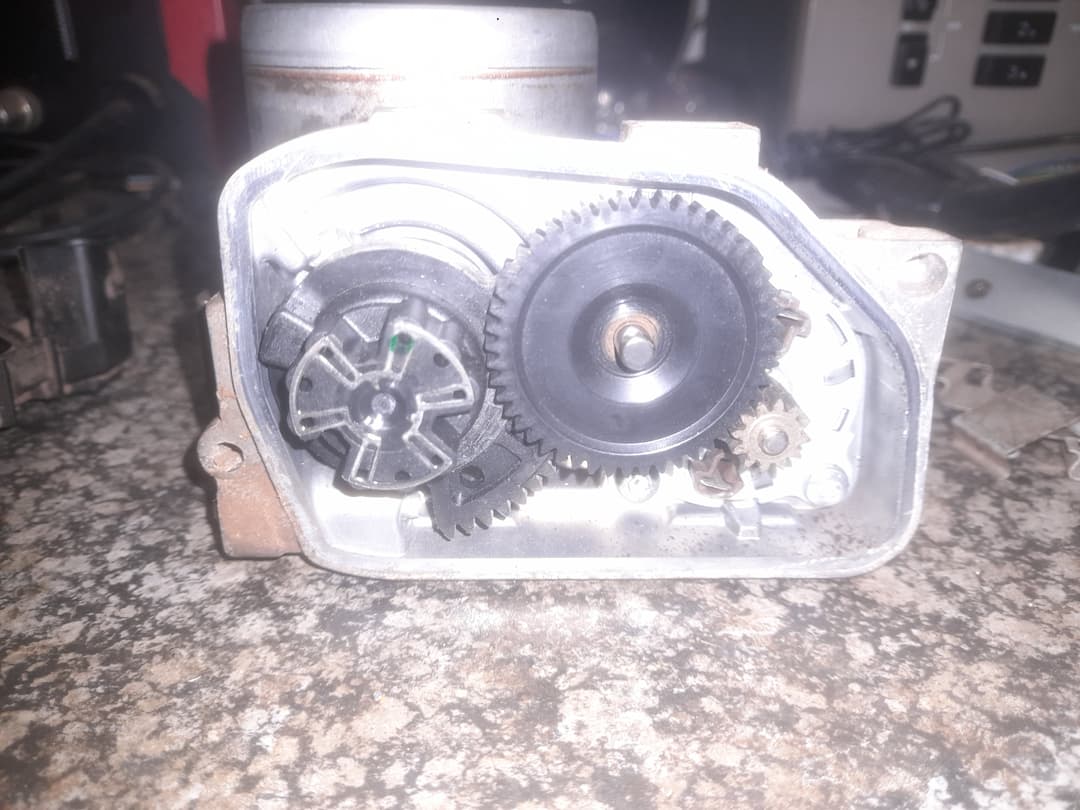
Bosch 03F133062B Throttle Body motor and gears
Option 3: Replacement
If cleaning fails or electrical fault codes persist, replacement is necessary.
Critical Recommendations:
- Use a Quality Unit: Opt for a genuine Bosch (OE supplier) or OEM VW/Audi part. Cheap aftermarket units have a high failure rate and calibration issues.
- Consider a Core Exchange: Many suppliers offer this, bringing down the cost of a quality part.
⚙️ The Crucial Step: Adaptation & Coding
After cleaning or installing a new throttle body, the Throttle Body Adaptation (TBA) is mandatory. This process teaches the ECU the new mechanical limits of the throttle blade.
How it's done:
- Ignition ON, engine OFF.
- Using your scan tool, navigate to the engine control module.
- Go to Basic Settings or Adaptations.
- Select "Throttle Body Adaptation" (often listed as channel 060, 098, or similar).
- Follow the tool's prompts. You will typically hear the throttle body whir as it moves to its stop points.
**🚨 Advanced Note: On some later models (especially with the 1.4L TSI CAVA engine), a simple adaptation may not be enough. The ECU may require online coding or **parameterization** via ODIS (VW's dealer software) to accept the new throttle body's serial number. This is a common reason why a "new" throttle body doesn't solve the problem.
🧠 Associated System Considerations
The 03F133062B rarely fails in isolation. Consider these related issues:
- Intake Valve Carbon Buildup: On direct injection engines (like the 1.4L TSI), carbon on the intake valves is the primary cause of rough idle and misfires. Cleaning the throttle body is a temporary fix if the valves are heavily fouled.
- PCV System Failure: A faulty Positive Crankcase Ventilation valve can spew oil vapor into the intake, rapidly re-soiling a cleaned throttle body.
- Fuel Quality: Long-term use of low-quality fuel can accelerate carbon deposition.
📋 Summary & Action Plan
- Diagnose: Pull fault codes and inspect for carbon/wiring issues.
- Clean: If carbon is present and no hard electrical faults exist, clean carefully with approved cleaner.
- Adapt: Always perform a Throttle Body Adaptation after any disturbance.
- Replace: If faults return, replace with a Bosch or OEM unit.
- Code: Be prepared for possible ECU coding requirements on newer vehicles.
- Investigate: Look for root causes like carbon-clogged intake valves or a bad PCV.
By methodically following this guide, you can effectively diagnose and resolve the common yet frustrating issues associated with the 03F133062B throttle body, restoring smooth performance to your VW or Audi.
Pro Tip: if you feel like task is a bit out of your depth, don't hesitate to reach out to us or consult a professional.